
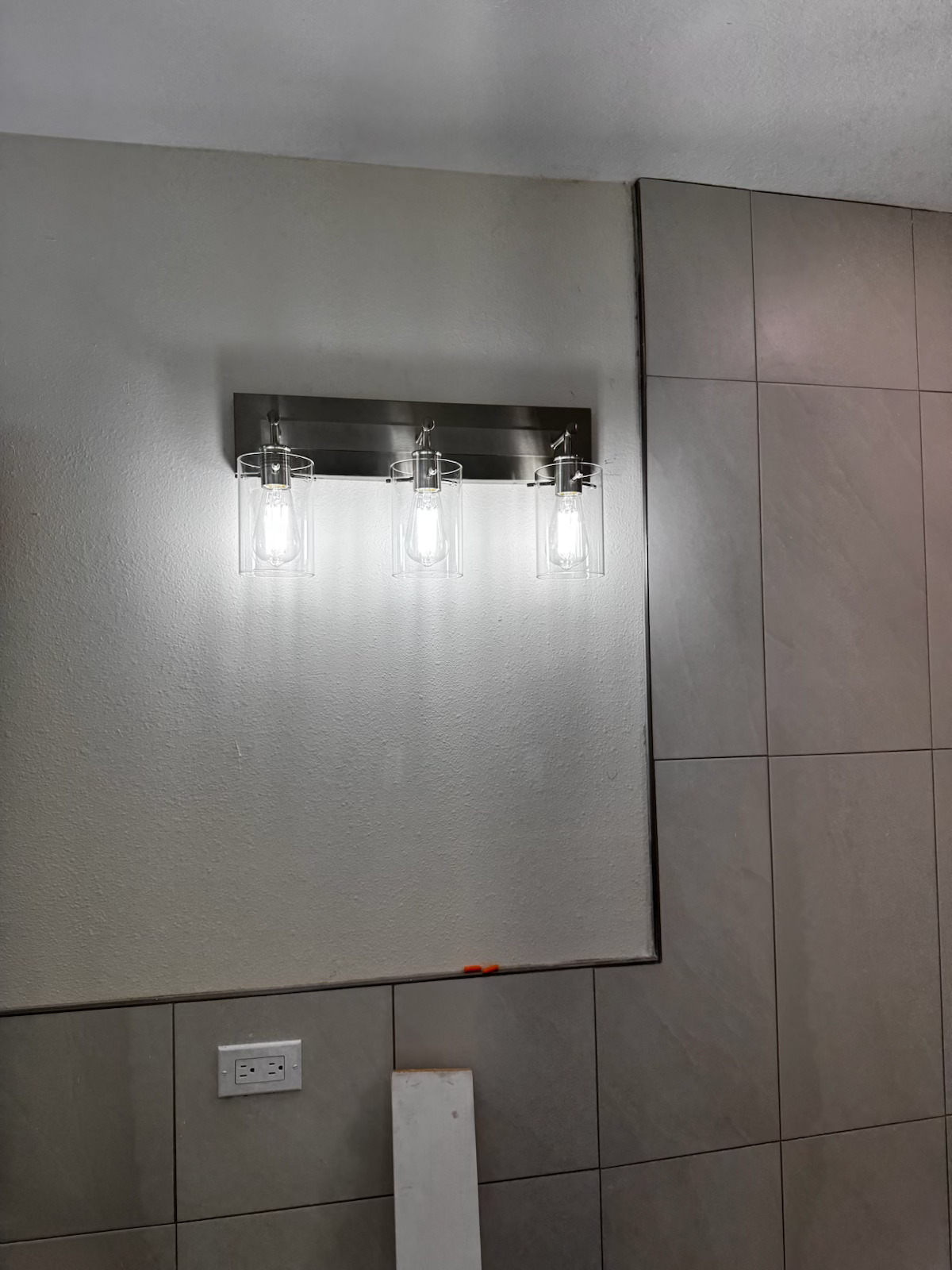
Lights flickering off and on in your home can grab your attention fast. Sometimes it’s just a minor issue you can brush off. But in a place like Lakewood Ranch, where many homes see heavier electrical use as the weather cools, flickering can point to something deeper. As heating systems and lighting work harder through fall and into winter, it’s not unusual for some homes to show early signs of electrical strain. That’s especially true when those systems haven’t been updated in a while.
If you’re asking yourself whether this flicker is coming from a loose bulb or something more serious behind the walls, it might be time to think about Lakewood Ranch electrical repair. Knowing the common causes can help you decide when it’s something to watch and when it’s better to have someone check it out.
Common Everyday Causes of Flickering Lights
We get this question a lot: is this normal or a sign of trouble? In many homes, flickering starts with something simple. Small things can cause lights to dim or blink off for a second at a time. If it’s just one fixture or one room, take a look at the basics:
• Loose lightbulbs often slip just enough to lose a clean connection
• A lamp plugged into a worn or poorly fitted socket may get inconsistent power
• Shared circuits can struggle when big appliances kick on, like a fridge or microwave
• Cheap or mismatched dimmer switches may not work well with LED bulbs
These kinds of small problems usually stay local. If it’s just your bedroom lamp or one ceiling light that flickers, the fix may be quick. Still, if it keeps happening or the light won’t stop blinking no matter what, that may point to something else.
When It’s a Bigger Issue Than Just a Single Room
If flickering happens in every room or jumps between different parts of the house, that’s a different story. At that point, it’s not about socket fit or bulb type. Instead, the issue could be deeper in the system.
• Older wiring may be undersized for today’s electrical use in homes
• Circuit breakers that trip often or buzz could have loose or unsafe connections
• Wires hidden behind walls can fray, overheat, or lose insulation over time
• Main connections at the panel may loosen slightly year after year, especially with heat cycling
In some Lakewood Ranch homes, these problems show up as flickering that follows no clear pattern. Lights might dim when nothing else is on. Or maybe the porch light blinks anytime the garage door closes. If you’re seeing those kinds of things, it’s likely worth getting a full look at the whole system.
How Seasonal Power Shifts Affect Your Electrical System
As fall deepens and winter sets in, homes naturally demand more power. Even in Florida, where winter is mild, cooler evenings keep heating systems running longer. For homes in Lakewood Ranch built more than 10 or 15 years ago, those added demands can push electrical systems past their comfort zone.
• Heating systems, especially electric heat, can draw a lot during nighttime hours
• Holiday lights, inflatable yard decorations, and indoor displays add to the mix
• Nighttime use tends to rise, with more lights, heaters, and devices all running at once
If your lights start to flicker or dim every evening around dinnertime or when everything powers on at once, that might mean your circuits are nearing capacity. In other cases, certain rooms in the house may show signs of stress while others stay just fine. It really depends on how each circuit was built and what it’s handling now.
Power & Lighting Solutions specializes in handling seasonal electrical demands across Lakewood Ranch and neighboring communities. With 24/7 availability and licensed electricians, we understand how local weather shifts and household upgrades affect wiring and panel performance. Our two-year service warranty gives customers extra peace of mind for any repairs or upgrades made to address flickering or other electrical faults.
What to Expect From a Licensed Inspection or Repair Visit
When it’s time to call for help, many homeowners wonder what happens next. The first step is usually a full checkup of the home’s electrical system. A licensed electrician will look for more than just the flickering lights. They want to understand why the problem is happening and what condition the system is in overall.
• Ground wires must be strong and connected properly to protect against surges
• Outlets that run warm, spark, or feel loose may need replacing or rewiring
• Circuit breakers should not hum, buzz, or grow hot to the touch
• Panels with outdated parts sometimes require upgrades to keep things safe
In some cases, a repair might be as simple as changing out a bad connection or updating an older outlet. In other homes, flickering can uncover a bigger pattern that calls for wire replacement or circuit balancing. Either way, the goal is always the same: make sure everything behind the walls is doing what it should.
The electrician’s inspection isn’t just about finding the obvious problem. It’s also about spotting any weak points before they turn into major headaches. For example, sometimes old insulation on wires wears down, especially in areas with lots of temperature changes. Having an expert see how everything is holding up can help prevent safety concerns down the line.
After the inspection, the electrician will let you know what they found. They’ll point out any places that need attention and suggest the best steps to take next. Some fixes are quick and easy while others might need a scheduled repair. No matter what, it helps to have a clear plan so you know what to expect.
Local electricians in Lakewood Ranch understand which types of wiring are most common in the area and how seasonal demands can affect your home. They are trained to notice patterns that are easy to miss and offer practical solutions based on real experience. By having someone who is familiar with local homes, it’s easier to trust that you’re getting the right advice and repairs for your house.
Often, after work is done, the electrician will double-check the fix by running appliances or lights in problem rooms. This makes sure everything works as it should before you go back to your everyday routine. In some cases, they may recommend keeping an eye out for more flickers in case anything changes, so you can catch any new issues early.
The Right Fix Means Peace of Mind at Home
So many of us rely on lighting to keep daily routines running smoothly. When lights flicker or dim, it can feel like your home is trying to tell you something. Most problems don’t need a full remodel to fix, but they do need a closer look. Once you know where the issue starts, getting it sorted becomes a lot easier.
Flickering lights aren’t always a red flag, but they’re never something to ignore. The earlier you catch the warning signs, the easier they are to fix. Whether you’re in an older home or a newer one that’s working harder than expected, understanding how your electrical system handles the load can help you make better choices before small flickers turn into bigger repairs.
Sometimes, just one visit from a professional can give you the answers you need. You might find out that a single outlet is causing the trouble, or you might discover a bigger pattern that needs attention. It’s always better to know for sure rather than wonder if something serious could be hiding out of sight. Staying on top of your electrical health can make your home feel safer and help you avoid surprises later on.
Lights Still Flickering?
If you’re noticing flickering lights more often and wondering whether it’s time to act, it’s a good idea to have someone take a closer look. Homes around Lakewood Ranch often face unique power demands during cooler months, and what starts as a small issue can grow if ignored. We’re here to help you feel confident your system is safe and running smoothly. To schedule a licensed inspection or get support with your specific issue, start by requesting help for your Lakewood Ranch electrical repair today from Power & Lighting Solutions.
Leave a Reply