
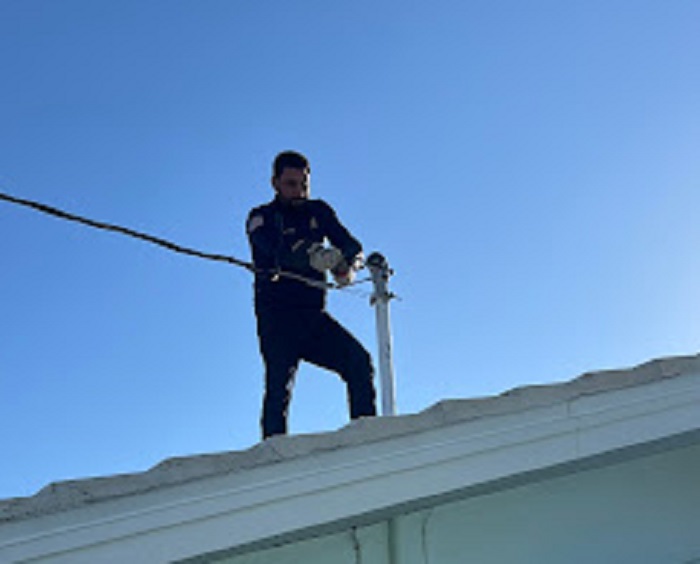
When something electrical stops working, it’s tempting to grab the phone right away. But sometimes, a quick look around can help you figure out what’s really going on and make things smoother when help does arrive. In Sarasota, it’s pretty common to see electrical problems show up when cooler months hit. Heaters, outdoor lighting, and holiday decorations all add pressure to a home’s system.
Before calling a Sarasota electrician, it helps to take a few minutes to look for any obvious signs and get your thoughts in order. That way, anyone you call has a better idea of what to expect. A little prep now can save everyone some time and make it much easier to fix things on the first visit. Taking this proactive approach means you’re doing what you can to ensure a quick and accurate solution, and it helps you feel more in control when unexpected electrical problems pop up.
Check for Obvious Power Loss or Tripped Breakers
One of the simplest things to check is your main breaker panel. If something just stopped working in one room or part of the home, there might be a tripped breaker behind it. Many breaker switches are labeled, but if they’re not, the flipped one is usually easy to spot. It may be halfway between “on” and “off,” or it could feel loose when touched.
Here’s what to look out for before placing a call:
• Scan the breaker box for any switches that don’t match the others.
• Flip them completely off, then back on to reset.
• Check if the issue is in just one room, one outlet, or affects larger parts of the house.
• Walk through each space and notice anything unusual like wall plates that feel warm or buzzing noises.
• Take a deep breath near outlets and switches. A slight burning smell is a big red flag.
You don’t need to fix anything yourself. But making note of these things helps the electrician know what they’re walking into. Noticing these signs early also helps prevent further electrical risks, as some issues can worsen quickly if ignored. Even though it is best to avoid trying to repair electrical systems yourself, your observations are extremely useful for the professional who arrives.
Know Which Appliances or Fixtures Are Affected
It’s easier to solve a problem when you’re clear about where it’s happening. Take a few minutes to think through what works and what doesn’t. If only the microwave and the outlet nearby are off, that’s different than having no power through the entire kitchen. These details tell us a lot.
Try making a quick list like this:
• What rooms are affected?
• Which specific items (like lamps, fridges, TVs) aren’t turning on?
• Are all the outlets in a space out, or just some?
• Were any major appliances or space heaters running when the issue started?
• Did any lights dim or blink right before things shut off?
If possible, unplug extra devices in the area before someone arrives. That helps lower the load and keeps things safer if the power suddenly comes back. Not only does this reduce the chance of a surge damaging something when the power is restored, but it also makes it quicker for the electrician to test each outlet or fixture once they’re on site. Knowing exactly which appliances were affected helps the electrician narrow down potential causes and speeds up the troubleshooting process once they begin working.
When several appliances or fixtures in a single area are without power, reporting this to your electrician is important. You should also note if any of the devices were making unusual noises, had flickering lights, or seemed warm to the touch just prior to the outage, as these details may be relevant.
Review Any Recent Changes or Upgrades
Most systems can handle some seasonal change, but add a few outdoor lights, a new heater, and maybe more kitchen appliances and things can start tipping. Problems often show up after adding something new, even if it seems small.
Think through the past couple of weeks and ask yourself:
• Did you plug in any new holiday lighting or electric decorations?
• Has anyone installed new appliances like an oven or washer?
• Was there any furniture moved that might’ve bumped a cord or hit an outlet?
• Did a landscaper, plumber, or other worker do anything outside that might have affected your service?
• Was there a strong storm or heavy wind recently that may have shaken loose outdoor wiring?
Changes don’t always cause the problem, but they often help point to what happened. Even sharing a quick story like “It started right after we plugged in the second space heater” helps the expert know where to focus first.
It may also help to think about the last time any electrical work was done in or around your home. Renovations, upgrades, or even minor repairs sometimes impact other areas of your system in unexpected ways. Remembering these changes, or even checking for signs of recent work (like new outlets, panels, or visible wiring), can help your electrician diagnose issues more effectively. Considering seasonal weather patterns, like recent storms or persistent humidity, may also give insight into temporary problems or clues about moisture getting into outlets or exterior circuits.
Look for Patterns or Recurring Issues
Sometimes an issue isn’t new, just worse. Circuits that are already stretched can hold up just fine most of the year, but they give out during high-use weeks. If your lights go out every December when the same decorations go up, that’s a sign something deeper might be off.
So take a moment to ask yourself:
• Has this same thing happened before?
• Is it always in the same spot, or is it moving around?
• Does it tend to happen at night, when more lights are on, or when it rains outside?
• Did flipping a breaker fix it last time, even if only for a bit?
• How long has this been going on?
Patterns give us valuable clues. They don’t always seem important at first, but they’re often the difference between a fast fix and a guessing game. Noticing when issues arise, such as during stormy weather, when everyone is home using devices, or during a certain season each year, can help your electrician pin down the source of trouble. Making note of these trends also lets you better describe the situation for your own records, which can help keep track of repairs across months or years.
Another step is to check if other people in your building or neighborhood are having similar problems at the same time. If so, the root cause may be external, like a larger utility issue. Noticing these patterns helps eliminate unnecessary work and makes your repair call more focused and successful.
Peace of Mind Starts With Clarity
Power & Lighting Solutions is available 24/7 and backs every service call with a two-year workmanship warranty for Sarasota residents, so you never have to choose between safety and reliability. With experience solving issues in both older homes and newer properties, our team brings a detailed approach to each service call and can help diagnose unique or persistent problems on the spot.
If something electrical still isn’t working after a closer look, that’s when it’s time to bring in a professional. Taking those extra steps beforehand can really help move things along once we arrive. Being able to describe the issue clearly lets us focus on the right area faster, which is especially helpful during the busy winter season. When you’re ready to talk with a trusted Sarasota electrician, Power & Lighting Solutions is here to listen and help. Contact us today to get started.