
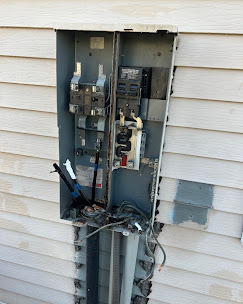
When Electrical Panel Heat Becomes a Fire Risk
An electrical panel is the heart of your home’s power. It takes electricity from the utility and sends it to your lights, outlets, AC, pool equipment, and everything else. Under normal load, it is okay for a panel to feel slightly warm. Power is moving, breakers are working, and a little warmth is part of the process.
The problem starts when that gentle warmth turns into real heat. A panel that feels hot, has a metal cover that is uncomfortable to touch, or gives off a burning smell is no longer normal. In the Sarasota area, our high outdoor heat, long AC run times, pool pumps, and new EV chargers all push panels harder. That is why an electrical panel upgrade in Sarasota is often a safety move, not just a “nice to have” update.
How Overheating Starts Inside Your Breaker Box
Inside the panel, every wire and breaker connection matters. When something is a little off, heat builds up quickly. Some of the most common causes include:
- Loose lugs and terminals
- Overloaded breakers feeding too many devices
- Double-tapped circuits, where two wires are crammed into a spot made for one
- Undersized bus bars or older panels that were never meant for today’s loads
When a connection is loose, electricity does not flow smoothly. The resistance at that bad spot turns electrical energy into heat. This is often described as I²R loss, which simply means current times current times resistance equals heat. As the connection warms, metal can expand and loosen even more, which raises resistance again. It becomes a cycle that keeps getting worse.
Age adds to the problem. Breakers and panels sit in Florida humidity year after year, so contacts and lugs can corrode. Corroded metal does not conduct power cleanly, so it runs hotter and can stop tripping when it should. Many Sarasota homes have older panels feeding new high-demand appliances like upgraded AC units, hot tubs, or induction ranges, but no one recalculated the total electrical load. That mismatch is a quiet way for overheating to start.
Telltale Signs Your Panel Is Cooking Itself
Your panel usually gives you clues before something serious happens. The key is to notice them and not ignore them. Technical warning signs include:
- Panel cover that is hot or very warm to the touch
- Breakers that feel warm when you lightly touch the handle
- Buzzing, crackling, or sizzling sounds near the panel
- Flickering lights when AC, dryers, or microwaves kick on
- Frequent nuisance tripping on the same circuits
You might also see visible damage if you look closely with the cover off, which should only be done by a professional. These signs include browned or melted wire insulation, scorched or pitted bus bars, or dark discoloration around breaker slots. Many people describe a “toasted” or burnt-plastic smell near the panel when things are really overheating.
There are also subtle signs that feel easy to brush off. One room might always dim when the AC or dryer starts. Certain plugs may seem weaker than others. These can point to voltage drop from overloaded or hot connections. Repeatedly flipping a warm or hot breaker back on is especially risky. That breaker may be trying to tell you that it is overheating or even arcing inside.
Inside the Heat: What an Electrician Actually Finds
When a licensed electrician opens an overheated panel, they are not just looking for a single “bad breaker.” They are checking the whole system. A careful panel inspection often includes:
- Thermographic, or infrared, scanning to spot hidden hot spots
- Torque testing of lugs and terminals to see if connections are tight
- Checking breaker-to-bus bar contact points for pitting or discoloration
- Verifying that each breaker and wire size actually match
Common hidden defects include aluminum branch circuits landed on the wrong type of connector, oxidized lugs that have a dull or chalky look, incorrectly sized breakers, and neutrals that are overloaded because circuits share a neutral in the wrong way. Any of these can create extra resistance, which turns to heat.
We also look at the total service load. That means adding up continuous loads like AC and pool pumps, along with non-continuous loads like dryers and ovens, and then applying demand factors from electrical code. If the numbers show that the panel or service is undersized, an electrical panel upgrade in Sarasota is often the safest path. There is a big difference between swapping one failed breaker and fixing deeper issues like an outdated panel brand or a bus assembly that is already damaged.
Why Sarasota Homes Need Extra Panel Protection
Our local climate is hard on electrical equipment. High temperatures, strong sun, and salt in the air all speed up wear on metal parts. A panel on an outdoor wall or in a hot garage spends much of the year in warm or even hot air, which makes any internal heating from bad connections even worse. Heavy, year-round cooling demand keeps AC systems running long hours, turning some loads into almost constant stress on the panel.
Storms and grid problems add another layer. Voltage sags, quick surges, and short outages can jolt breakers and weaken them over time. During spring storm season and into the summer, quick on-and-off cycling of power can heat internal connections and loosen them. Older panels with already weak terminations are more at risk, especially if someone tries to backfeed a generator into the system the wrong way.
Modern panel upgrades can bring helpful safety features. Newer equipment often has higher amp ratings, improved bus bar design, better fault interruption ratings, and built-in or add-on surge protection. For a place like Sarasota, that mix of higher capacity and better protection can go a long way toward keeping panel temperatures in a safer range.
When an Electrical Panel Upgrade Becomes Non-Negotiable
Some warning signs move a panel from “keep an eye on it” to “this needs to be replaced.” Red flags that usually call for an electrical panel upgrade in Sarasota include:
- Breakers that frequently overheat or feel hot even at light load
- Visible bus bar damage like pitting, scorching, or melted spots
- A panel that is packed with no spare spaces and lots of tandem breakers
- Panels that are known to be trouble or have been recalled
Major changes to the home can also make an upgrade a safety requirement. Whole-home EV charging, big HVAC upsizing, adding an accessory dwelling, or installing solar systems that backfeed power into an already full panel all change the electrical math. Trying to “work around” that with DIY tricks is dangerous. Oversizing breakers, stuffing extra tandem breakers past the panel limit, or using cheater ties raises the risk of overheating and internal arcing.
If you are getting ready for a big upgrade, it helps to be prepared. Make a list of symptoms you have noticed, like which breakers trip and when, or where lights dim the most. Note any new appliances you have added in the last few years. Upsizing service from something like 100 amps to 200 amps is not just about having more power for gadgets, it is about giving the system enough capacity to run at a safer, cooler level.
Take Heat Issues Seriously Before They Take Over Your Home
You do not need special tools to notice the early warning signs. Every few weeks, you can do a quick self-check by standing near your panel and asking:
- Does the cover feel hotter than usual without even touching it?
- Do you hear any buzzing or crackling?
- Is there any odd or burnt smell in that area?
- Are certain breakers tripping over and over, especially on hot afternoons?
If anything feels off, especially before adding new high-load equipment like a larger AC, spa, or EV charger, it is smart to have the panel professionally evaluated. As we move through spring and into the higher demand months, an old, crowded, or already warm panel is less and less forgiving.
At Power & Lighting Solutions here in the Sarasota-Bradenton area, we see how overheated panels often start with small, quiet problems that grow over time. Taking those heat signs seriously, and upgrading when the system calls for it, is one of the best ways to guard your home against fires, damaged equipment, and sudden outages when you need power the most.
Upgrade Your Electrical System With Confidence Today
If your lights are flickering or your breakers frequently trip, now is the time to schedule an electrical panel upgrade in Sarasota with Power & Lighting Solutions. We will inspect your current system, explain your options in clear terms, and complete the work with safety and reliability as our top priorities. Reach out today to discuss your project, get a straightforward estimate, or schedule an on-site evaluation using our contact us page.
Leave a Reply