
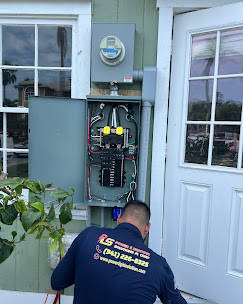
After a big Florida summer storm, the sky clears, but your home can still be in danger. Lights flicker, breakers trip, maybe there is a faint burning smell you cannot quite place. Your electrical system just took a hit from lightning, wind, and wind-driven rain, and what you do next really matters.
This article walks through what actually happens during a post-storm electrical inspection in a Bradenton home. We will cover what storms do to your wiring, what a licensed electrician checks, and how those checks help prevent shocks, fires, and surprise breakdowns weeks later.
What Really Happens to Your Wiring After a Storm
A strong storm in our area usually comes with heavy rain, loud thunder, and fast wind. Power can blink on and off a few times. You might notice things like flickering lights, outlets that suddenly stop working, or a breaker that keeps tripping when you try to reset it.
Florida homes deal with more than just a bit of bad weather. Around Bradenton, your electrical system is stressed by:
- Frequent lightning that sends large surges through power lines
- Humid, salt-heavy air that speeds up rust and corrosion
- Wind-blown rain that gets places it should never reach
When those forces hit your wiring, problems do not always show up right away. Some issues stay hidden inside panels, boxes, and cables. A real post-storm inspection is not just a quick peek at the panel door. It usually includes:
- Checking for fire and shock hazards before power is fully restored
- Opening equipment and looking for moisture, heat damage, and loose parts
- Testing breakers, surge protection, and outlets under controlled conditions
The goal is simple: find the damage you cannot see yet, before it turns into smoke, burning plastic, or a serious shock.
First Pass: Making the Home Safe to Enter
Before touching a single switch, a careful electrician makes sure the home is actually safe to enter with power on. This first pass is about safety, not repair.
Outside, we usually look for:
- Downed or sagging service lines attached to the house
- A bent or broken service mast where the wires attach to the roof or wall
- Dark marks, melted spots, or cracking around the meter base and panel
- Standing water near exterior outlets, cords, and equipment
Next, we check voltage at the service entrance and at the main panel. If the building is wet or there is obvious damage, the main breaker may stay off until we know it is safe. Turning power on too soon can send current into wet walls, soaked outlets, or damaged metal parts, creating unintended parallel paths for current and potential shock or arcing points.
We also need to separate utility-side issues from homeowner-side problems. For example:
- If voltage from the power company is low or unstable, that is a utility issue.
- If the service looks fine but breakers inside are damaged, that is usually a homeowner repair.
- If any part of the system looks unsafe to energize, circuits stay off until repairs are made.
This step protects you, your family, and also the people working on the equipment by making sure any energized components have intact insulation, correct grounding, and no obvious fault paths.
Panel, Breakers, and Surge Protection Under Stress
The electrical panel takes a lot of abuse during storms. It is the main hub, so every surge, blink, and power return runs right through it. When we open a storm-exposed panel, we look closely for:
- Rust, water spots, or condensation on the metal can and interior
- Discoloration on bus bars that hints at overheating or arcing
- Pitted or burned breaker contacts
- Loose or discolored neutrals and grounds
Lightning and power surges can damage a breaker or surge protector without leaving big burn marks. Thermal-magnetic breakers can have weakened trip mechanisms, and MOV-based surge protective devices can be partially or fully depleted. A device might reset and look normal, but inside it may no longer trip or clamp the way it should. That is why testing matters.
We often use:
- A multimeter to check line-to-line and line-to-neutral voltage and confirm breakers feed correctly under no-load and light-load conditions
- Torque checks on lugs and terminations to match manufacturer specs and prevent resistive heating at loose connections
- Visual checks paired with testing (including verifying trip functions where appropriate) to decide if a breaker is still reliable
If we find overheated breaker stabs, discolored insulation, or evidence of repeated nuisance tripping, the focus is on understanding the failure mode: was it a true overload, a short-circuit event, or the result of voltage fluctuations and surges during the storm? That technical diagnosis guides whether breakers, bus bars, or surge devices need replacement or reconfiguration.
Hidden Storm Damage in Wiring, Outlets, and GFCIs
Storms do not only stress the big gear. Wind-driven rain and local flooding can push moisture into small spaces, like exterior outlet boxes, low wall receptacles, and underground conduit. Over time, that moisture can lead to:
- Corroded copper conductors that lose their shine and cross-section, increasing resistance and heat
- Swollen or brittle insulation that cracks and exposes bare wire
- Intermittent ground faults that show up only under certain humidity levels or loads
A careful inspection goes circuit by circuit. Typical steps include:
- Testing GFCI and AFCI devices with their test buttons and dedicated test tools to verify proper trip times and sensitivity
- Using plug-in testers at indoor and outdoor outlets to check for open grounds, reversed polarity, and other wiring errors
- Opening suspect boxes to check gaskets, wire splices, and signs of water intrusion such as mineral deposits or rust on mounting screws
- Using insulation resistance testing on questionable branch circuits to identify degraded insulation that could allow leakage current
Small symptoms guide the technical investigation. A faint buzzing at an outlet can point to a loose termination or a failing device. A cover plate that feels warmer than the rest may indicate high resistance at a connection. A breaker that occasionally trips under a normal load can signal cumulative moisture damage or marginal insulation.
Some devices can dry out and keep working, but many times, if water has entered a receptacle, switch, or GFCI, internal metal parts will corrode and spring tension can be reduced. From a technical safety standpoint, replacement is usually the safer call once moisture intrusion is confirmed.
Grounding, Bonding, and Generator Readiness After Storms
Grounding and bonding are easy to ignore when everything works. After a major storm, they move to the front of the line. A loose ground rod clamp or broken bonding jumper can:
- Increase your risk of shock during a fault
- Reduce how well surge protection devices can do their job by raising the impedance of the grounding path
- Create odd, hard-to-trace “tingle” issues on metal parts due to small potential differences
We check the grounding electrode system at the rods, confirm clamps are tight and free of heavy corrosion, and inspect bonding connections to metal water pipes and structural steel where present. In the main panel, we verify that the neutral-to-ground relationship is correct and code-compliant for that location. Getting this wrong can cause both nuisance trips and unsafe touch voltages if neutral current flows on metal enclosures or piping.
After storms, many homes run on generators, sometimes for long stretches. From a technical standpoint, it is important to confirm:
- Transfer switches show no signs of heat damage or loose connections at lugs and terminals
- Neutral bonding is set up correctly for the specific generator and transfer type (separately derived vs. non-separately derived systems)
- Loads are reviewed so circuits are reasonably balanced across legs and not overworked relative to generator capacity
- Backfeed prevention is in place and functional so power cannot flow out to the utility lines and endanger lineworkers
These checks help your backup power run smoother and safer during the next big storm.
Your Post-Storm Electrical Action Plan in Bradenton
Not every storm calls for a full teardown of your system. A quick look around your home can still be helpful, as long as you stay away from live parts and do not open panels or boxes yourself.
A basic DIY visual check can be enough if everything appears normal and there are no warning signs. You should call a licensed electrician right away if you notice:
- A burning or melting plastic smell near outlets, switches, or the panel
- Breakers that trip again and again when you reset them
- Visible water in outlets, light fixtures, or the panel area
- Any shock or “tingle” when you touch metal appliances or fixtures
Here is a simple checklist to follow after each major summer storm:
- Walk the outside of your home and look for damaged service wires or equipment.
- Note any flickering, dead outlets, or strange behavior from lights or appliances.
- Turn off and avoid using any circuit that seems to cause heat, smell, or repeated tripping.
- Unplug sensitive electronics until power is stable again.
- Keep a short written list of issues to share with your electrician so they can focus testing on the most likely problem circuits.
Before the next peak of hurricane season, it is smart to be proactive. Clear panel labeling, adequate surge protection, and correction of known code issues can all shorten diagnostic time after a storm and reduce the risk of hidden faults. Focusing on the technical health of your grounding, bonding, and overcurrent protection now will help your home electrical system handle the next round of severe weather more safely.
Get Started With Your Project Today
If you are dealing with flickering lights, tripping breakers, or outlets that have stopped working, we are ready to help you restore safety and comfort to your home or business. Learn more about our Bradenton electrical repair services to see how Power & Lighting Solutions can handle your project from start to finish. When you are ready to schedule service or request a quote, simply contact us and we will respond promptly to get your electrical issues resolved.